
Bathroom Remodeling in Sandy Springs, GA
Sandy Springs sits just north of Atlanta along the Chattahoochee River, home to roughly 108,000 residents who value their Independence Day fireworks display nearly as much as their weekend walks through Heritage Sandy Springs Park. The city grew around the intersection of Roswell Road and I-285, and most homes here cluster in established neighborhoods like Riverside, Dunwoody Panhandle, and the tree-lined streets off Hammond Drive. If you own one of the many ranch-style or split-level houses built in the 1970s and 1980s, your bathroom likely needs a refresh to match how the area has matured.
Planning a bathroom remodeling project in Sandy Springs means working within Fulton County’s permitting framework while respecting the character of a city that prides itself on its riverfront trails and business district along Abernathy Road. Whether you live near City Springs or up toward Morgan Falls, the approach is the same: define what you want, understand the costs, and pick the right scope for your budget.
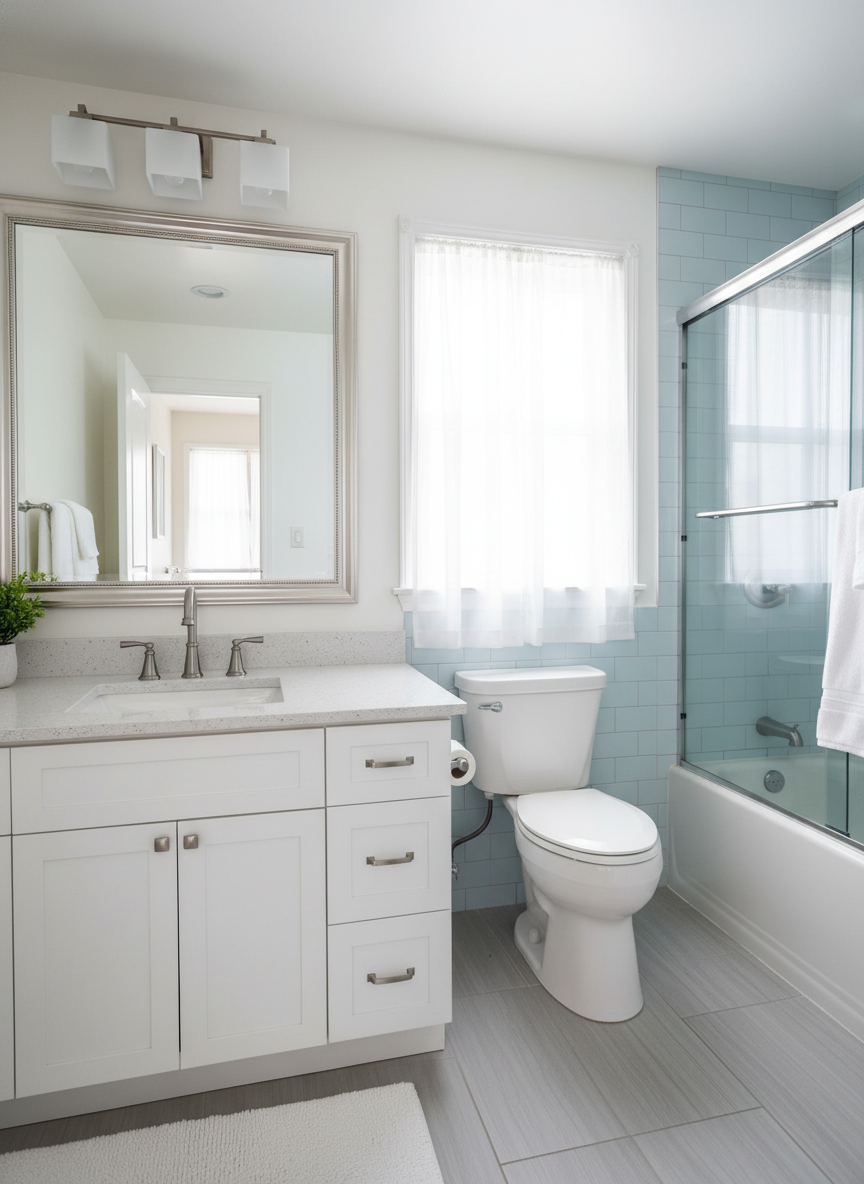
Planning Your Bathroom Remodeling Project
Before any demolition begins, take stock of your current bathroom. What works? What frustrates you daily? Maybe the shower drain backs up constantly, the vanity drawers stick, or the lighting makes the room feel like a cave. Write down every pain point. This list becomes your project brief.
Next, set a realistic budget. Bathroom remodeling in the Sandy Springs area typically falls into three tiers, and knowing which one you can afford shapes every decision that follows. Talk to a contractor early in the process, someone who works in North Fulton and understands the permit requirements at the Sandy Springs Planning Department on Galambos Drive.
Material selection matters more than most homeowners expect. The tile you pick, the vanity you choose, the fixtures you install, each one affects both the look and the long-term maintenance. Porcelain tile handles moisture better than ceramic and costs only slightly more. Quartz countertops resist stains without sealing. A curbless shower entrance looks modern and works well for aging-in-place plans. These are the decisions worth making before construction starts, not mid-project when changes get expensive.
Full Bathroom Remodel vs Bathroom Conversion
Two approaches dominate bathroom remodeling in Sandy Springs: a full remodel and a conversion. Understanding the difference helps you choose the right path.
Full Bathroom Remodel
A full remodel means gutting the space to the studs. Everything comes out: the tub, the shower pan, the vanity, the toilet, the flooring, the drywall. You start with an empty room and build back from there. This approach makes sense when the existing layout doesn’t work, when plumbing needs relocating, or when water damage has compromised the subfloor.
The advantage is total control. You can move the shower to the opposite wall, swap a cramped vanity for a double-sink setup, add a linen tower, or reframe the doorway. The disadvantage is cost and timeline. A full remodel takes two to three weeks and runs between $12,000 and $25,000 depending on finishes.
Bathroom Conversion
A conversion keeps the existing layout but swaps out the major components. The most common version is a tub-to-shower conversion: removing the garden tub and replacing it with a walk-in shower. You might also update the vanity, swap the toilet for a water-efficient model, and install new fixtures. The plumbing stays where it is, which keeps costs down.
Conversions work well when the bathroom’s footprint already suits your needs but the components are dated or worn. A conversion typically costs $4,000 to $9,000 and takes one to two weeks. For many Sandy Springs homeowners in solid 1980s homes with good layouts, this is the smarter investment.
Cost Planning for Your Sandy Springs Bathroom
Full Bathroom Remodel: $12,000 to $25,000
This range covers a complete gut and rebuild. The lower end assumes standard finishes: porcelain tile, a mid-range vanity, and a prefab shower enclosure. The upper end includes custom tile work, a frameless glass shower enclosure, a solid-surface vanity top, and premium fixtures. What pushes you toward the top: relocating plumbing, moving walls, adding a second sink, or choosing high-end materials like natural stone.
Bathroom Conversion: $4,000 to $9,000
Conversions cost less because the layout stays put. A tub-to-shower conversion with a new acrylic or tile surround, a modern shower system, and new glass doors runs $4,000 to $7,000. Add a vanity swap and new toilet and you reach the upper end. This is the practical choice when your bathroom functions fine but looks tired.
Guest or Half Bath: $3,000 to $7,000
A powder room update or a small guest bathroom refresh costs the least. New fixtures, a pedestal sink, fresh paint, and updated lighting can transform a half bath for under $5,000. If you’re adding a guest bath where none existed, expect $7,000 or more once plumbing and electrical work are factored in.
What drives costs up across all tiers: plumbing relocations, electrical additions (adding outlets or moving lighting), permit fees, mold remediation if water damage is found, and premium material upgrades. What keeps costs down: keeping the existing layout, choosing stock rather than custom vanities, and selecting tile that comes in standard sizes.
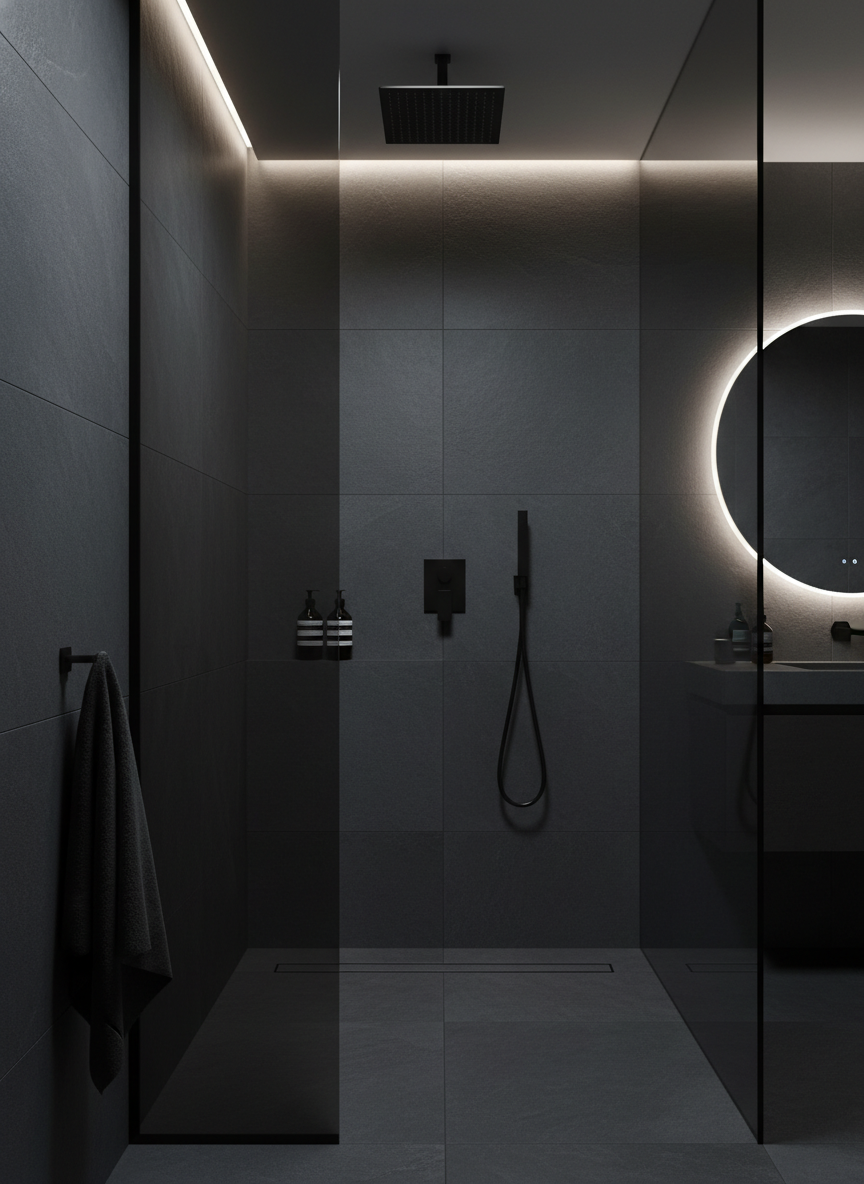
Frequently Asked Questions: Bathroom Remodeling in Sandy Springs
Do I need a permit for a bathroom remodel in Sandy Springs?
Yes. The City of Sandy Springs requires building permits for bathroom remodeling that involves plumbing, electrical, or structural changes. Simple fixture swaps may not need one, but anything involving moving pipes or adding circuits does. Your contractor should handle this through the city’s Community Development office.
How long does a bathroom remodel take?
A conversion typically takes one to two weeks. A full remodel runs two to three weeks. Delays happen when materials arrive late, hidden water damage requires additional repair, or inspections get scheduled later than expected. Your contractor should give you a timeline before work begins.
Can I stay in my home during the remodel?
Usually yes, if you have a second bathroom. The remodeled bathroom will be out of commission for the duration, and there will be dust and noise during working hours. Most Sandy Springs homeowners manage fine with one working bathroom for two to three weeks.
What’s the return on investment for a bathroom remodel in Sandy Springs?
Bathroom remodels in the Atlanta metro typically return 60 to 70 percent of cost on resale. In desirable North Fulton neighborhoods like Sandy Springs, well-executed mid-range remodels tend to perform best. Over-improving relative to neighbors can reduce your return, so aim for quality that matches the neighborhood standard.
Should I choose a tub or a walk-in shower?
If this is your only bathroom, keep at least one tub in the house for resale value. If you have a master bath and a guest bath, converting the master’s dated tub to a walk-in shower is one of the most popular and worthwhile upgrades in Sandy Springs homes.
What materials are best for Sandy Springs bathrooms?
Porcelain or ceramic tile for floors and walls, quartz for vanity tops, and fiberglass or acrylic shower bases all handle the humidity of Georgia’s climate well. Avoid natural stone in showers unless you’re committed to regular sealing. The mineral content in Sandy Springs water can leave deposits on glass shower doors, so consider a water softener if you go with frameless glass.
Ready to Start Your Bathroom Remodeling Project?
If you’re in Sandy Springs and thinking about a bathroom remodel, the first step is a conversation. Call us at 470-942-4522 to discuss your goals, timeline, and budget. We’ll help you decide whether a full remodel or a conversion makes more sense for your home.
For the full range of options, see our main Atlanta bath remodeling service overview.